
E-commerce in Pakistan is rapidly becoming a game-changer for businesses and consumers alike. Over the past few years, the online retail market has seen exponential growth, and it’s no surprise that the country’s digital economy is attracting both local entrepreneurs and global giants. With the increasing use of smartphones, better internet connectivity, and a shift in consumer behaviour, e-commerce in Pakistan has paved the way for new business opportunities.
In this article, we will explore the current landscape of e-commerce in Pakistan, its potential, challenges, and why it is considered one of the most lucrative markets for online businesses.
Why E-Commerce is Booming in Pakistan?
The rise of online shopping in Pakistan can be attributed to several factors. Firstly, Pakistan has one of the largest youth populations in the world, many of whom are tech-savvy and prefer shopping online for convenience. According to a recent report, more than 80 million people in Pakistan have access to the internet, and this number is growing each year. Consequently, more and more people are turning to e-commerce platforms to fulfil their shopping needs.
Furthermore, with increased access to affordable smartphones and mobile data, online shopping has become more accessible than ever. As a result, Pakistani consumers are now able to browse, compare prices, and make purchases with just a few clicks, which has led to a surge in the popularity of e-commerce websites in Pakistan.
Top E-Commerce Platforms in Pakistan
The e-commerce market in Pakistan is dominated by several key players, each offering a unique shopping experience. The leading platform, Daraz, is the largest online marketplace in the country. With millions of products ranging from electronics to fashion, Daraz has become the go-to site for many Pakistani shoppers.
In addition to Daraz, there are other emerging players like Otech.pk HomeShopping, Telemart, and Goto.com.pk, all of which have captured the attention of both consumers and sellers. These platforms offer competitive prices, reliable delivery services, and user-friendly interfaces, which are crucial in building trust and attracting customers.
Moreover, platforms like Facebook Marketplace and Instagram have also become essential tools for businesses looking to expand their reach. With their large user bases and targeted advertising options, social media has become a powerful tool for small businesses in Pakistan to market their products.
Challenges Faced by E-Commerce Businesses in Pakistan
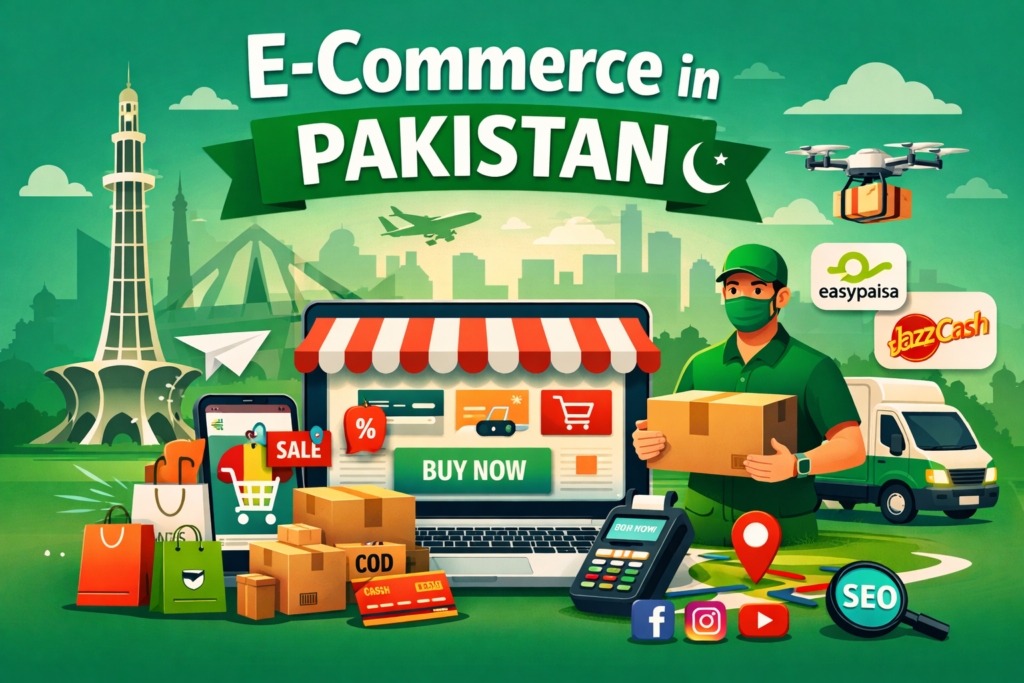
While the future of e-commerce in Pakistan looks promising, it is not without its challenges. One of the major obstacles is the lack of a robust payment infrastructure. Although platforms like Easypaisa and JazzCash are gaining popularity, the use of credit and debit cards for online payments is still relatively low. Many consumers prefer cash on delivery (COD), which increases the cost and complexity of transactions for businesses.
Additionally, the logistics and delivery infrastructure in Pakistan still faces hurdles. Delayed deliveries, especially to remote areas, remain a concern for many e-commerce businesses. However, with the rise of local courier services like TCS and Leopard Courier, these challenges are gradually being addressed.
Another challenge is the need for better customer support. Since e-commerce is still a relatively new concept for some Pakistani consumers, they often face issues such as poor return policies, unresponsive customer service, or problems with refunds. To succeed, businesses need to invest in improving customer experience and trust.
The Future of E-Commerce in Pakistan
Despite the challenges, the future of e-commerce in Pakistan looks bright. The increasing penetration of smartphones, internet accessibility, and a shift in consumer behaviour are all key drivers of this growth. According to industry experts, the e-commerce market in Pakistan is expected to reach $6 billion by 2026. This offers incredible opportunities for businesses to tap into the growing demand for online shopping.
Moreover, the rise of digital payment solutions and government initiatives to improve online business ecosystems are likely to foster the growth of e-commerce platforms in Pakistan. With digital payment methods becoming more secure and accessible, Pakistani consumers will feel more confident about making online transactions.
How to Start an E-Commerce Business in Pakistan?
Starting an e-commerce business in Pakistan can be highly rewarding, but it requires careful planning and execution. First, businesses need to identify a niche market and choose the right platform for their products. Whether it’s selling on an existing marketplace like Daraz, otech.pk or creating your own online store, businesses must ensure they provide a seamless shopping experience.
Next, businesses should focus on product sourcing, ensuring that they offer high-quality products at competitive prices. Building strong relationships with suppliers and ensuring timely deliveries is crucial for customer satisfaction.
Finally, businesses need to implement an effective digital marketing strategy to attract customers. Leveraging social media platforms, Google ads, and SEO (Search Engine Optimization) can help businesses increase their visibility and attract the right audience.
Conclusion
In conclusion, e-commerce in Pakistan is rapidly growing, and its potential is vast. The combination of increasing internet penetration, a growing middle class, and the ease of shopping online makes Pakistan an attractive destination for e-commerce businesses. Although challenges exist, such as payment infrastructure and delivery logistics, the market is evolving, and opportunities are abundant.
With the right approach, businesses can successfully navigate the e-commerce landscape in Pakistan, expand their reach, and achieve sustainable growth in this dynamic market.
By focusing on customer experience, improving logistics, and adopting effective marketing strategies, e-commerce businesses in Pakistan can thrive and capitalize on the growing demand for online shopping.
Focused Keywords: E-commerce in Pakistan, online shopping in Pakistan, e-commerce websites in Pakistan, e-commerce platforms in Pakistan, small businesses in Pakistan, Daraz, customer experience, digital payment solutions.
Transition Words: Firstly, Furthermore, Moreover, Additionally, However, Another, Finally, In conclusion.
Consecutive Sentences: Each paragraph logically connects to the next, guiding the reader through the evolution of e-commerce in Pakistan and the associated challenges and opportunities.
If you learn more about E-Commerce, click here.